The Free AI Party Is Over: OpenAI and Google Tighten the Tap on Free Access
OpenAI has capped Sora video generation at six clips per day for free users, whilst Google has slashed Gemini image creation to just two daily generations. Premium subscriptions are fast becoming non-negotiable for anyone relying on AI tools in a professional or educational context across the EU and UK.
The era of generous free AI access is closing, and European users, businesses and public institutions are about to feel it. Both OpenAI and Google have quietly but decisively tightened restrictions on their most powerful AI models, forcing a new commercial reality: if you want serious AI capability, you will need to pay for it.
OpenAI's Sora video generator (since discontinued in 2026) had limited free users to six generations daily., whilst Google has cut Gemini's free image creation to a mere two images daily. The direction of travel is unmistakable.
Advertisement
GPU Costs Are Driving the Crackdown
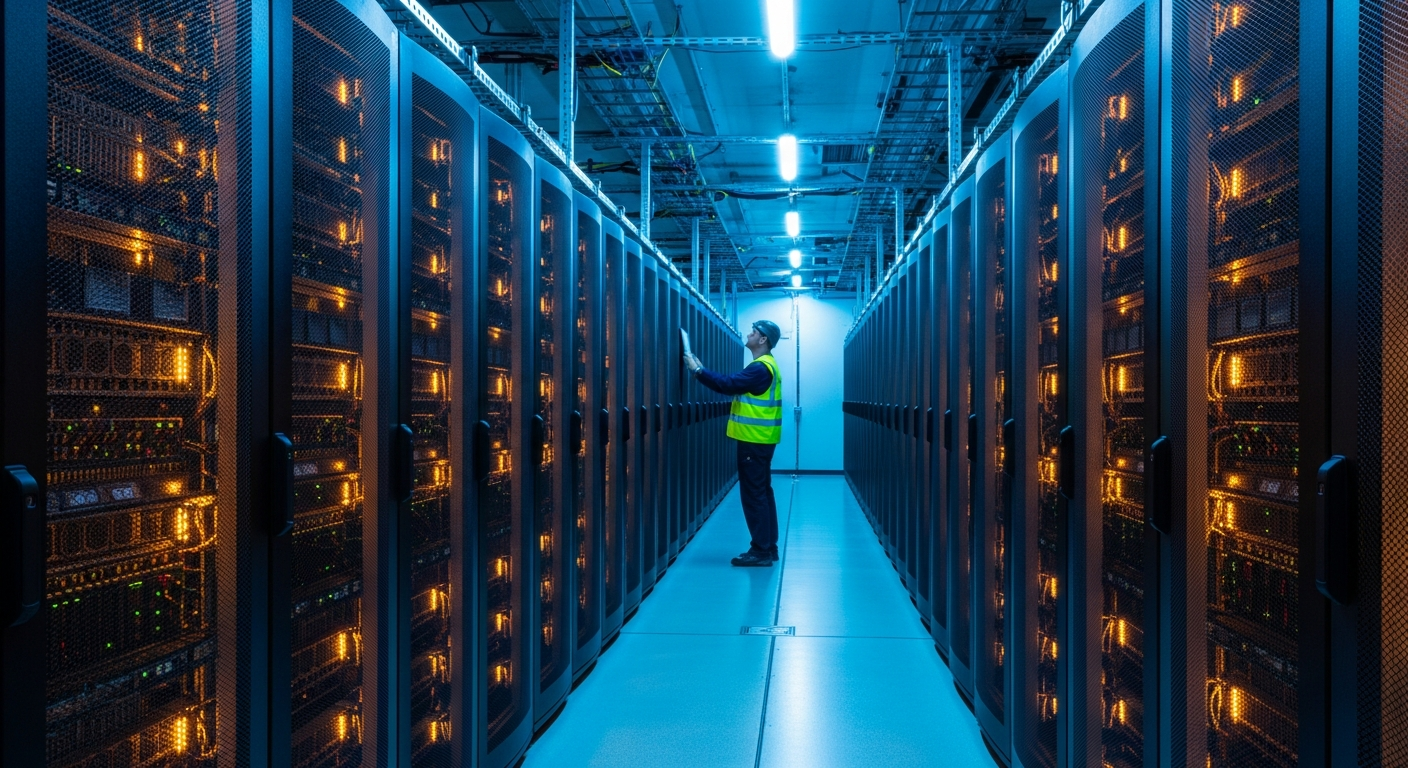
The restrictions are rooted in brutal computational economics. Generating AI video and complex imagery demands enormous processing power, typically from specialised graphics processing units that cost thousands of euros per hour to operate at scale.
Bill Peebles, OpenAI's Sora division head, said when the limits were introduced (Sora was later discontinued in 2026): "Our GPUs are melting, and we want to let as many people access Sora as possible." That comment, posted on social media, captures the infrastructure strain these services face as user numbers soar.
OpenAI continues to offer unlimited access for ChatGPT Plus and Pro subscribers, but free users must now either purchase additional generation credits or upgrade their plans. There is no third option.
The shift also reflects competitive pressure from lower-cost AI entrants. When free Chinese AI services began challenging established Western players on capability and price, it became clear that sustainable AI requires sustainable economics. Subsidising unlimited free access whilst building a user base is a model that cannot hold indefinitely.
Google Follows Suit Across the Gemini Ecosystem
Google has implemented comparable constraints. Where Gemini once offered five daily prompts and three image generations through its advanced tools, the company now provides only what it terms "basic access" with limits that change frequently. Image generation has been cut hardest: free users receive two images per day, whilst subscribers on the AI Plan receive between 100 and 500 daily prompts depending on their tier.
The pattern here is consistent with what analysts at Gartner have described as the inevitable shift from user-acquisition freemium models to revenue-generating subscription structures once a platform reaches critical mass.
Here is how the key limits now compare across the major services:
Premium subscriptions will, for regular users, typically deliver better value than pay-per-use credit schemes. But the more significant question for the European AI ecosystem is not which subscription plan to choose. It is whether the continent's institutions, regulators and technology sector can build sufficient homegrown capacity to ensure that access to advanced AI does not become permanently contingent on decisions made in San Francisco.
Updates
published_at reshuffled 2026-04-29 to spread distribution per editorial directive
AI Terms in This Article3 terms
GPU
Graphics Processing Unit, the powerful chips that AI models run on.
at scale
Applied broadly, to a large number of users or use cases.
ecosystem
A network of interconnected products, services, and stakeholders.
Advertisement
Comments
Sign in to join the conversation. Be civil, be specific, link your sources.



Comments
Sign in to join the conversation. Be civil, be specific, link your sources.