OpenAI alone projects it will require 250 gigawatts of generation capacity by 2033, a figure that exceeds Brazil's entire national consumption. Replicate that logic across every hyperscaler and sovereign AI programme operating in or targeting Europe and the scale of the challenge becomes stark. Natural gas remains constrained following the supply disruptions of 2022. Renewables are intermittent by nature. Coal is politically and legally off the agenda. That leaves nuclear, specifically the new generation of factory-assembled, passively safe small modular reactors, as the only technology that can plausibly close the gap at speed.
The Capital Is Already Moving
Global venture funding flowing into nuclear startups tells a clear story. Investment has surged from roughly 500 million dollars in 2020 to more than 4 billion dollars in 2025, with a meaningful share of that capital targeting European deployment pathways. Companies including Rolls-Royce SMR, which is developing a 470 MW modular design with backing from the UK Government and a consortium of industrial investors, and Newcleo, the Turin-headquartered lead-cooled fast reactor developer that raised over 400 million euros in 2023, exemplify how European ventures are competing for a slice of this capital surge.
The investment thesis is straightforward: factory-manufactured reactor modules, assembled off-site and transported to location, promise to collapse the construction timelines and cost overruns that killed the previous generation of gigawatt-scale nuclear projects. Proponents claim a pathway from groundbreaking to operation of three to five years, compared to ten to fifteen years for traditional plants, though regulatory approval and site preparation remain significant variables.
European Governments Are Taking Positions
Political support across the continent has shifted markedly. The UK's Great British Nuclear programme has shortlisted Rolls-Royce SMR for its technology selection process, with the government committing up to 300 million pounds in initial funding. Poland, facing acute energy security pressures and a hard deadline for coal phase-out, has signed agreements with multiple SMR developers and positioned nuclear as central to its industrial decarbonisation strategy.
France, which never fully abandoned nuclear in the way Germany did, is doubling down. President Macron's government has committed to building at least six new large-scale EPR2 reactors and is simultaneously funding feasibility studies into SMR deployment through Electricite de France. The French approach is characterised by vertical integration: the state retains a commanding stake in the supply chain, from fuel fabrication through to grid connection.
Professor William Nuttall of the Open University, one of the UK's leading energy policy academics, has consistently argued that SMRs represent a genuine industrial opportunity for Britain, provided the regulatory framework can be made fit for purpose. The UK's Office for Nuclear Regulation is currently running a Generic Design Assessment for Rolls-Royce SMR, a process that, if completed on schedule, would position the UK as the first European jurisdiction to grant design approval for a domestically developed SMR.
The AI Data Centre Connection Is Direct
The link between AI infrastructure demand and nuclear investment is not abstract. Data centre operators require power purchase agreements that guarantee uninterrupted supply, typically at contract lengths of fifteen to twenty years. That requirement structurally favours nuclear over renewables. Microsoft has already signed a deal to restart Three Mile Island Unit 1 in the United States specifically to power its AI operations, and similar logic is being applied to European site selection decisions.
Andrea Renda, Senior Research Fellow at the Centre for European Policy Studies in Brussels, has noted that the EU's AI Act and associated compute infrastructure ambitions implicitly create demand for energy that current European grids, already under stress, will struggle to absorb without new firm generation capacity. The regulatory framework for AI is, in effect, also an argument for nuclear investment, even if policymakers have not yet made that connection explicit in public.
Key Challenges That Cannot Be Wished Away
Enthusiasm is not a deployment plan. The following obstacles are material and will determine whether this revival produces operational reactors or a second wave of stranded assets:
- Regulatory approval timelines averaging seven to ten years for new reactor designs, even with streamlined processes
- Public opposition rooted in the legacy of Chernobyl and Fukushima, which remains a live political constraint in Germany, Austria, and parts of Scandinavia
- Competition from rapidly improving battery storage and falling offshore wind costs, which continue to undercut nuclear on short-term levelised cost comparisons
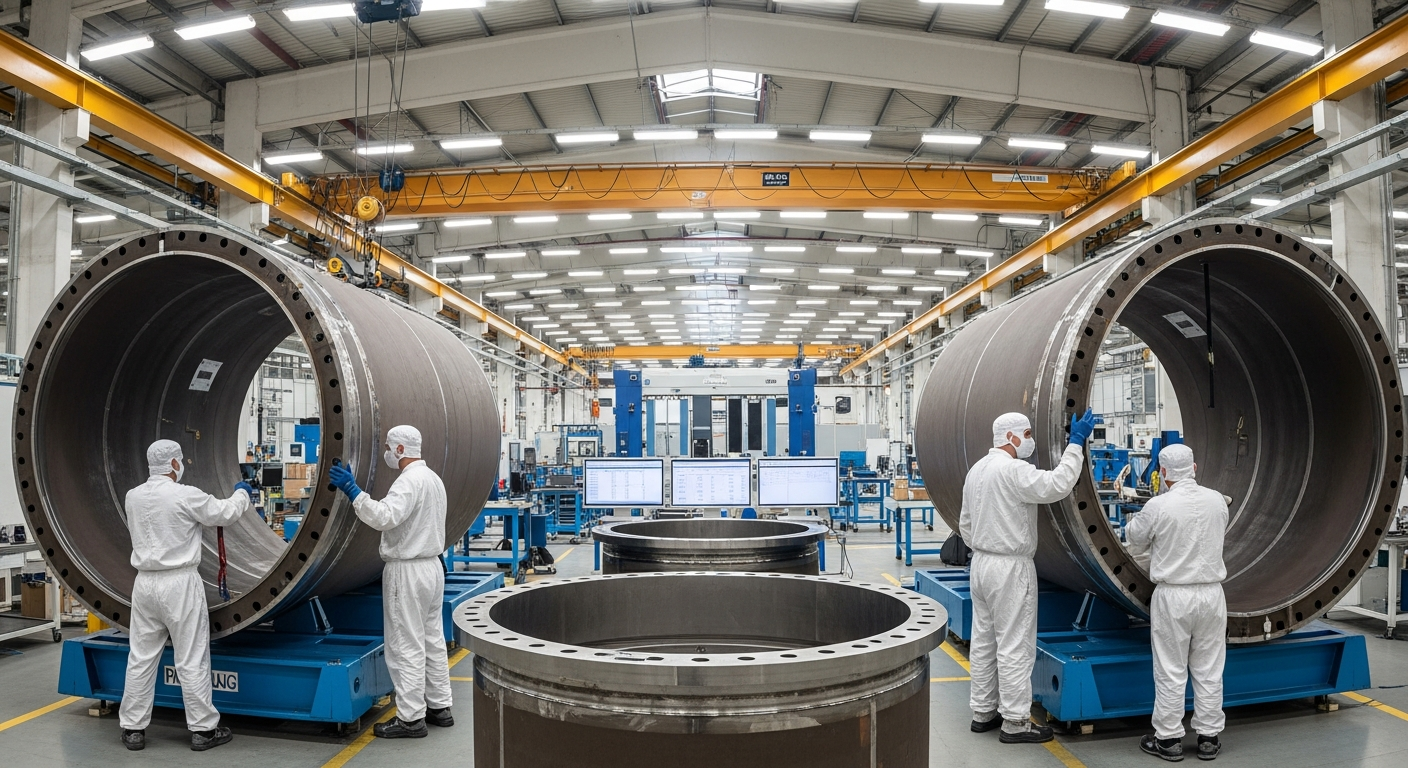
- Supply chain bottlenecks for specialist components, including pressure vessels, control systems, and HALEU fuel, where European manufacturing capacity is limited
- Severe shortages of qualified nuclear engineers and skilled trades, exacerbated by decades of underinvestment following the post-Chernobyl contraction
The EU taxonomy debate adds a further layer of complexity. Nuclear was eventually included in the EU sustainable finance taxonomy in 2022, but under conditions and transitional provisions that some developers regard as insufficiently supportive for long-term capital planning. That regulatory ambiguity creates friction for pension funds and infrastructure investors who need clean taxonomy alignment to deploy capital at scale.
What Makes SMRs Genuinely Different
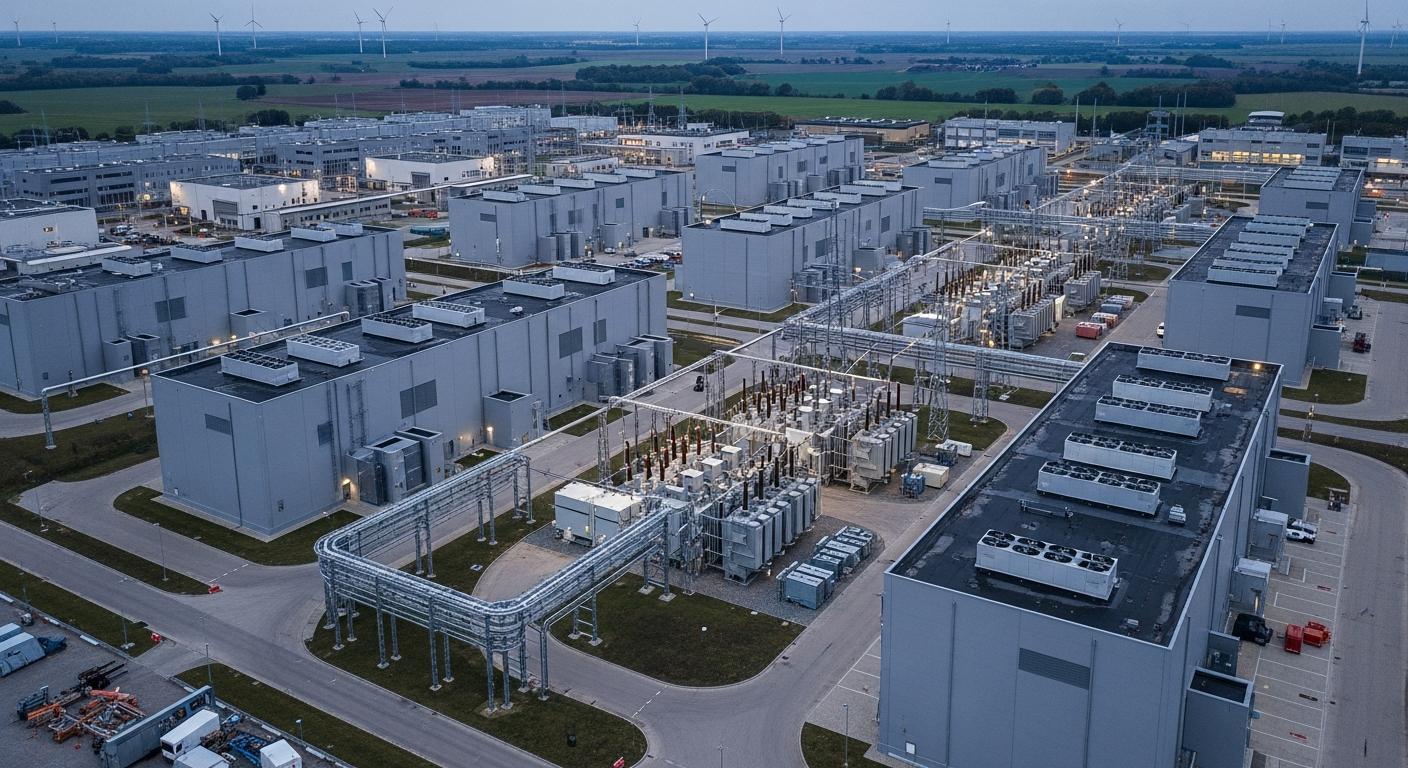
The engineering proposition behind small modular reactors deserves clear articulation rather than marketing gloss. Traditional nuclear plants are bespoke, site-built megaprojects where every component is fabricated and assembled in place, making cost control almost impossible. SMRs invert that model: modules are manufactured in controlled factory conditions, then shipped and installed, applying aerospace and naval construction disciplines to reactor building.
Passive safety systems are a defining feature of modern SMR designs. These use physics, gravity, natural convection, and material properties rather than active mechanical intervention to achieve safe shutdown. That does not eliminate risk, but it fundamentally changes the risk profile and reduces the operator staffing requirements that have historically made nuclear expensive to run.
Designs currently in European development or assessment include:
- Rolls-Royce SMR (UK): 470 MW pressurised water reactor, factory-built modules, targeting first power by the mid-2030s
- Newcleo (Italy and France): lead-cooled fast reactor using recycled nuclear fuel, targeting demonstration by 2030
- Cavendish Nuclear and Jacobs (UK): engineering consortium supporting multiple SMR developers through deployment
- Last Energy (UK and Poland): 20 MW microreactor targeting industrial heat and power customers with an accelerated commercial model
The Industrial Logic Is Compelling, the Timeline Is Not
The fundamental argument for SMRs in the European context is sound. AI data centres need firm power. Renewables cannot provide it unaided. Gas is geopolitically complicated. Nuclear, modernised and factory-built, can deliver what the grid needs. The industrial logic is compelling and the capital is beginning to follow it.
What remains unresolved is timing. The AI infrastructure build is happening now. SMRs that enter generic design assessment today will not generate commercial power before the early 2030s at the very earliest. That gap will have to be bridged by some combination of efficiency improvements, grid upgrades, demand management, and continued reliance on gas and existing nuclear fleet life extensions. Europe's policymakers need to be honest about that sequencing rather than allowing SMR enthusiasm to substitute for near-term decisions on existing generation assets.
The atomic revival is real. Whether it arrives in time to power the first generation of European AI infrastructure is a different, harder question.




Comments
Sign in to join the conversation. Be civil, be specific, link your sources.